
Products
Here you can find everything your Pipelines need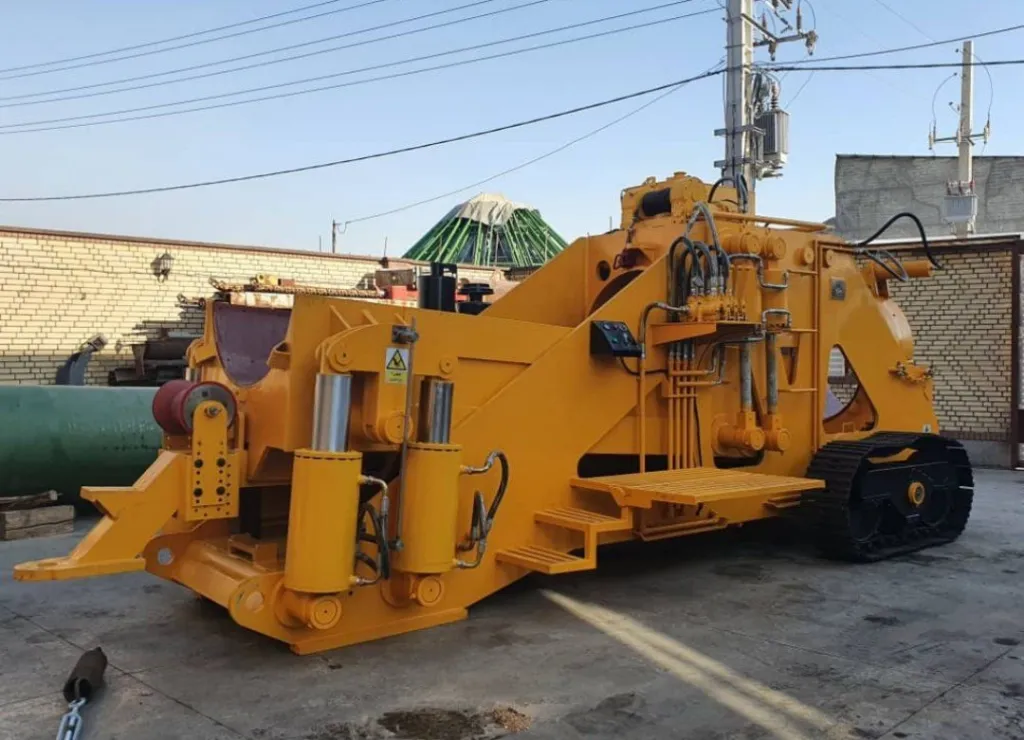
Pipelines must be laid to suit the terrain and change direction to accommodate obstacles or the route. Pipes with a corresponding bend are required for this purpose. Only in very special cases factory-fabricated pipe bends are used for this. Rather, it is customary to cold-bend straight pipes in accordance with the specifications. Our pipe bending machines cover pipes with outside diameters between 2″ and 64″. Properly bent pipes are crucial for the safe and efficient operation of oil pipelines. Poorly bent pipes can lead to leaks, reduced flow rates, and other operational problems that can be costly and dangerous. Therefore, the use of bending machines is an important part of maintaining the integrity of oil pipelines.
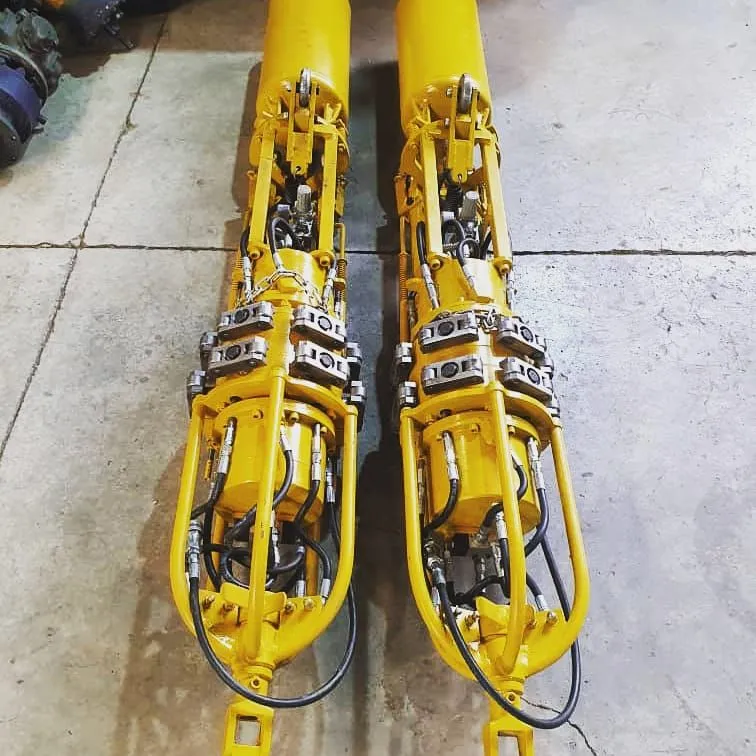
To ensure the highest quality of welding, Maats can supply you with internal line-up clamps. The internal line-up clamps can be powered by the welding tractor. Alternatively, air compressors for supplying compressed air are available at Maats as well. The internal line-up clamps will be delivered including the necessary hoses. Internal line up clamps work by being inserted into the pipeline and then expanded to fit snugly against the inside of the pipe. They typically have two or more arms that extend outwards and grip the pipe wall, holding the two pipe ends in place and keeping them aligned. Once the pipe ends are aligned, the welder can begin the welding process, confident that the joint will be strong and leak-free.
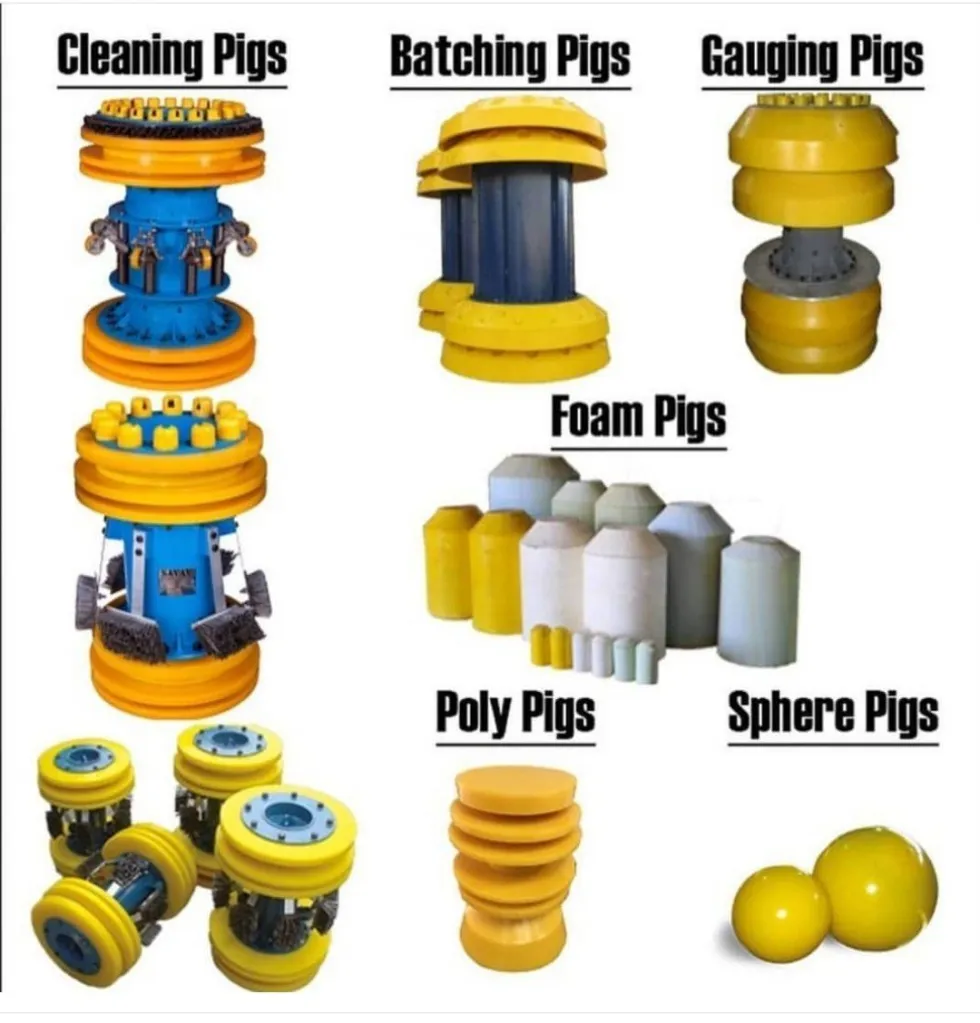
Pipeline Intervention Gadget is a large capsule ((so to speak because it is similar to the capsule in terms of shape)). And to call it the piglet is a different story from what the generous reader thinks that because its name is in English Pipeline Inspection Gauge PIG, it is clear to us that the main function of the pig is to check the piping tubes from the inside to know the remaining thickness of the tube to ensure that the corrosion is within the permissible limits in order to ensure industrial security and to ensure the pipeline’s ability to bear The pressure for which it is designed, and by this examination it is possible to recalculate the pressure that the oil line is supposed to work to reduce the pumping pressure if necessary to ensure that the line can withstand internal pressures and ensure continuity of production and benefit from the line for the longest time possible.
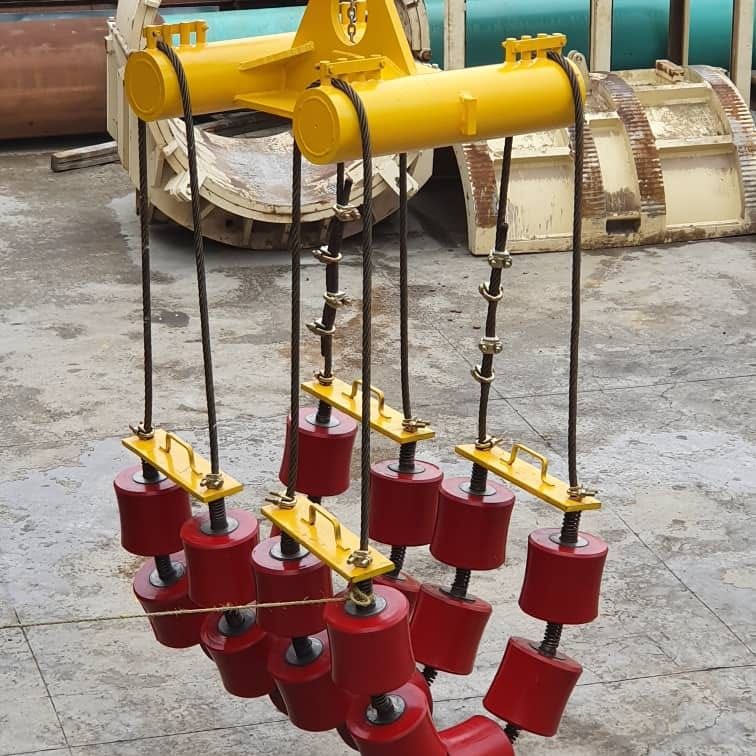
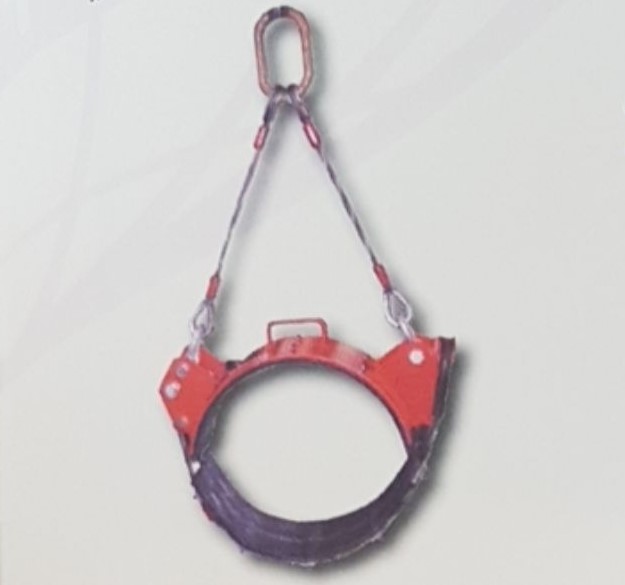
Mathey Pipe Cradles and Slings are an effective way to move pipe, specifically designed for pipeline installation projects. Mathey currently offers cradles from 2"-36" and all are equipped with 4 inch urethane "round cut" wheels with sealed anti-friction bearings. All spreader bar designs are third party tested any comply with industry standards. These models are equipped with % wire rope and all rope is swedged and certified at a wire rope rigging company partnered with Mathey.
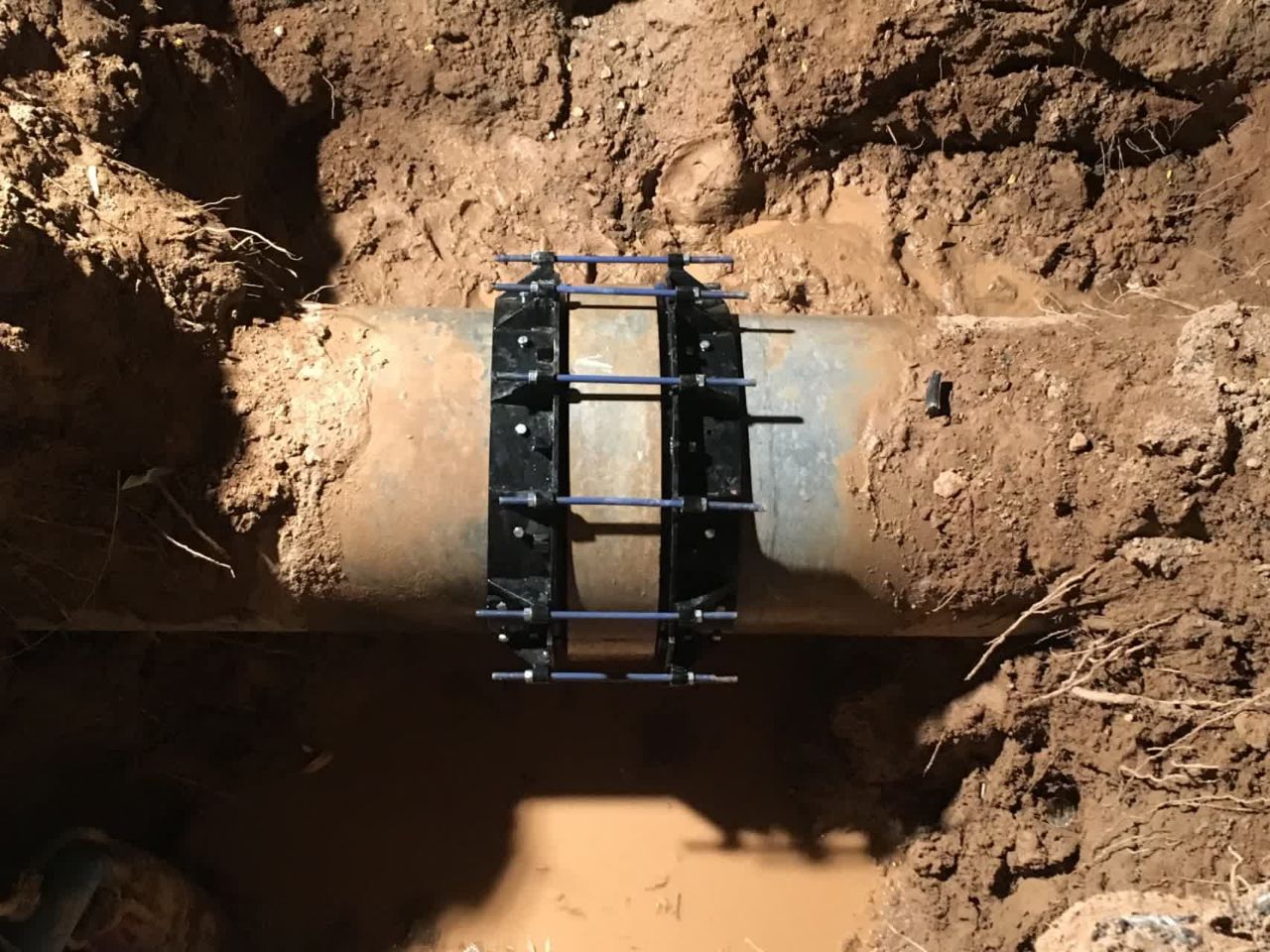
A Bell Joint Leak Clamp is a device used to repair leaks in bell and spigot joints, which are common in underground pipelines. The clamp consists of two halves that are bolted together around the joint, creating a tight seal that prevents further leakage. It is made from strong materials like ductile iron or stainless steel, and is designed to withstand high pressure and temperature changes. Bell Joint Leak Clamps are commonly used in industrial settings, as well as in water and wastewater treatment plants.
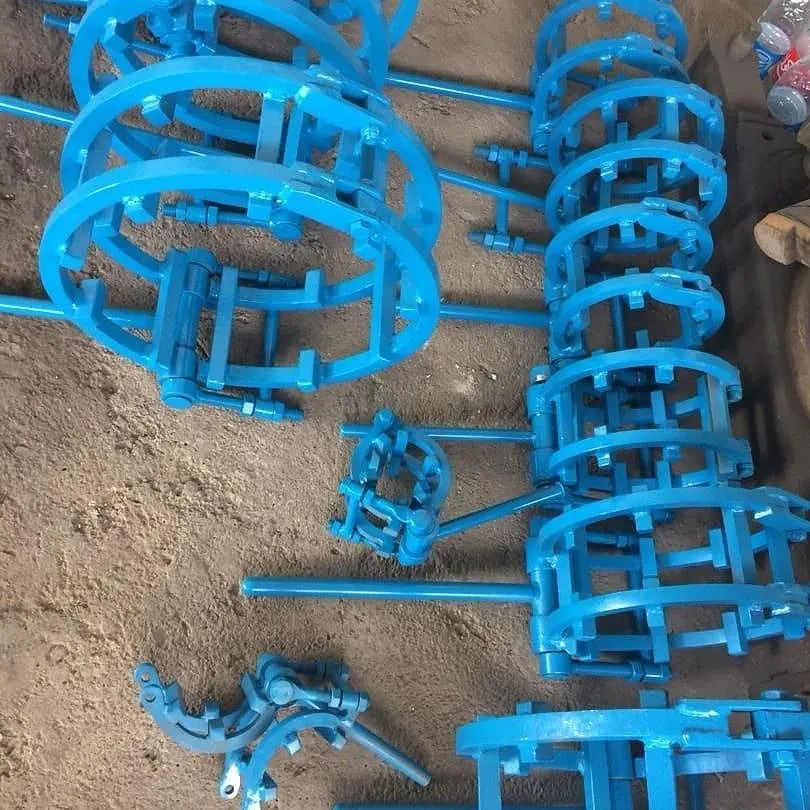
External line-up clamps are an essential tool for maintaining the integrity of oil pipelines. By ensuring precise alignment of pipe ends before welding or jointing, they help to minimize the risk of leaks and other operational problems. They are typically used in conjunction with internal line-up clamps and other tools to ensure that pipelines are properly aligned and joined together to ensure safe and efficient operation. External line-up clamps are available in many configurations. For mid and large diameter pipe there are ratchet clamps which operates by a ratchet handle and screw; standard cage type clamp; and chain clamps. For smaller pipe diameter there are toggle clamps that uses a lever operated toggle action; and Quick-fit clamps.
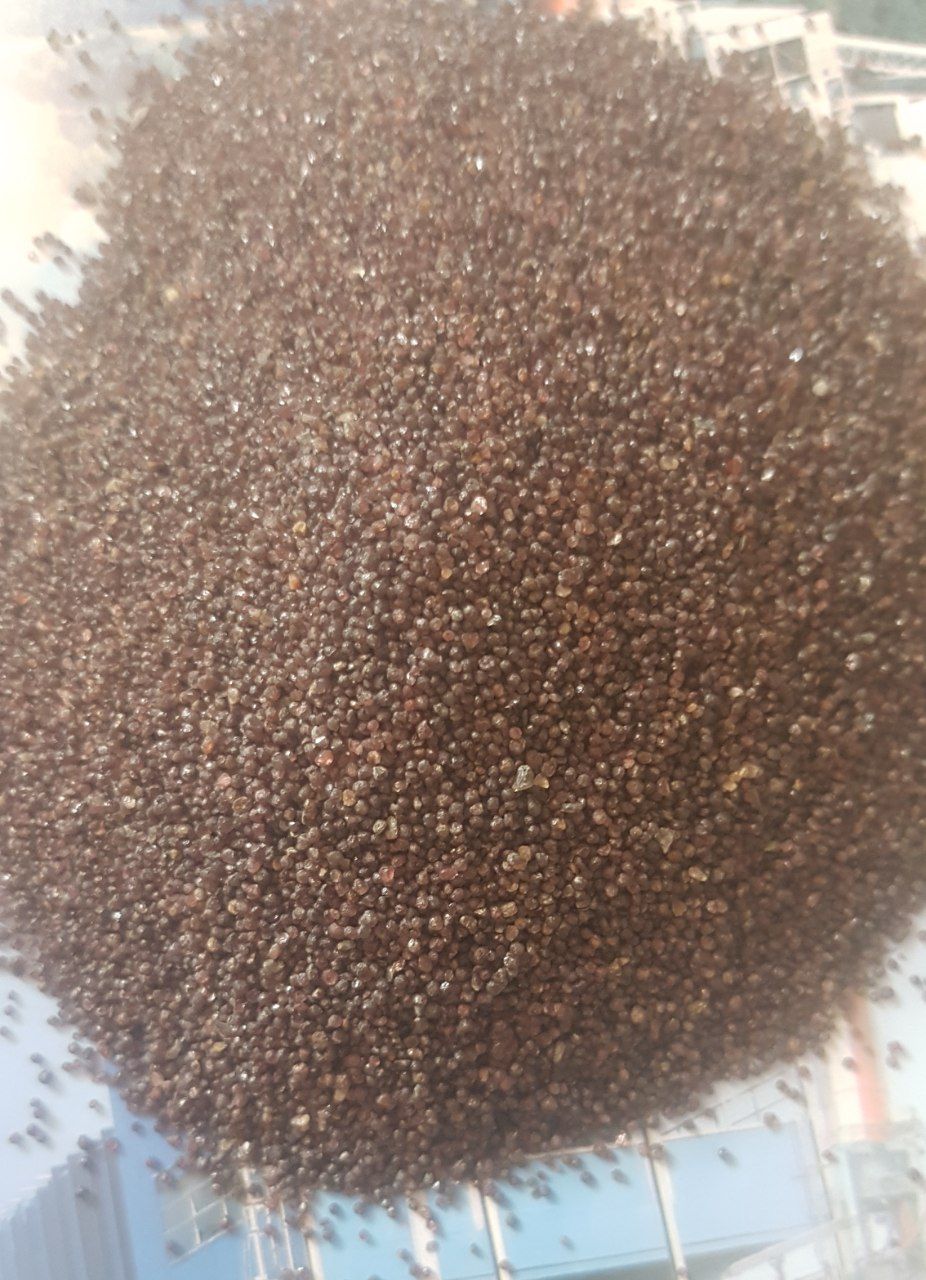
Red garnet is a type of abrasive material that is commonly used in oil pipelines for surface preparation and cleaning. The garnet is typically used in abrasive blasting, which involves using a high-pressure stream of air or water to propel the garnet particles against the surface of the pipeline to remove corrosion, paint, and other contaminants. Red garnet is a popular choice for pipeline surface preparation because it is a hard, durable material that can effectively remove surface contaminants without damaging the underlying material. It is also environmentally friendly, as it is a natural mineral that does not contain harmful chemicals.
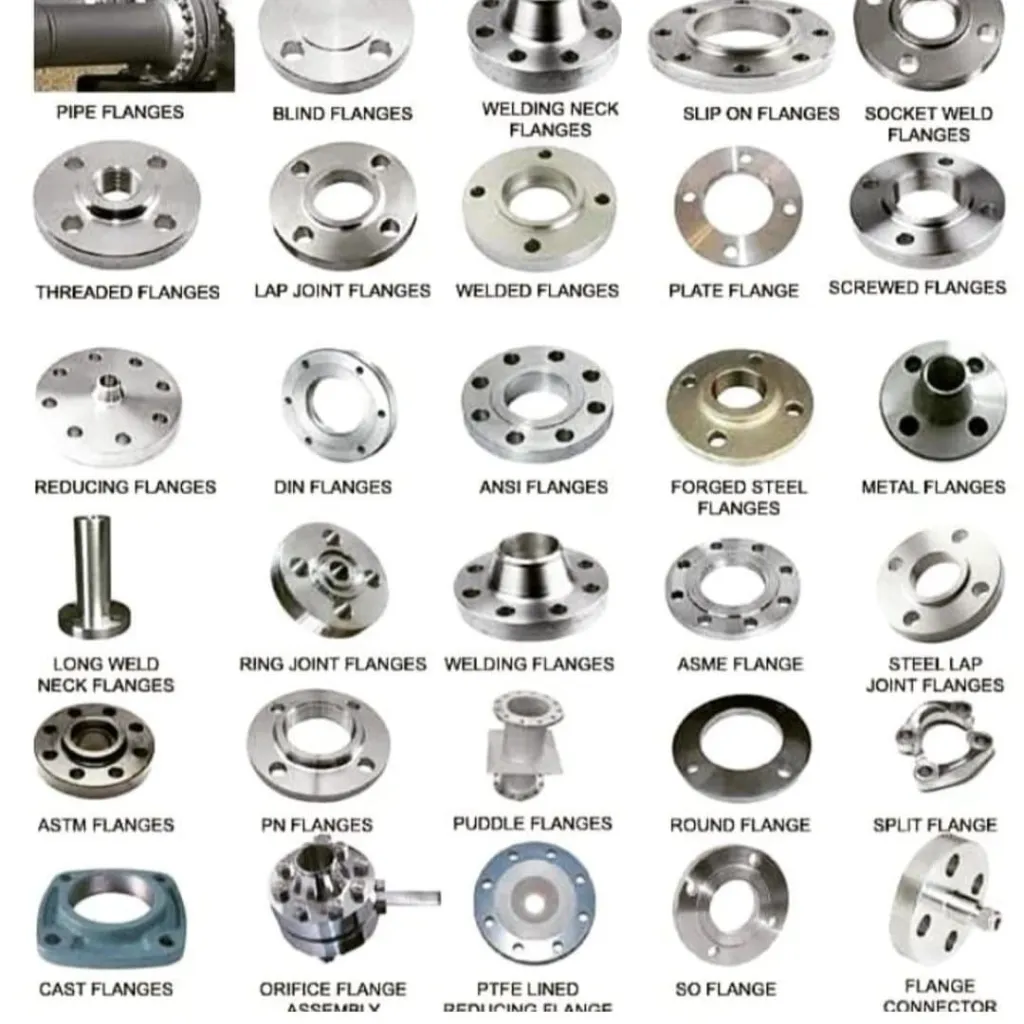
Flanges are used to connect different sections of pipeline together. They are typically used when pipeline sections need to be taken apart for maintenance or repair. Flanges consist of two flat plates with bolt holes that are bolted together with a gasket in between to create a seal. Welding neck Flange , Blind Flange , Slip-on Flange , Reducing Flange , Expand Flange , Lap joint Flange , Ring jointing Flange , Socket Welding Flange ,Treaded Flange ,Orifice Flange , Spectacle Blinds Flange , Spade Flange , Spacer Flange , Anchor Flange: Material Carbon Steel , Stainless Steel , Alloy Steel And Other Austenic Steel Grades . ANSI : ASME B16.47 , ASME B16.5
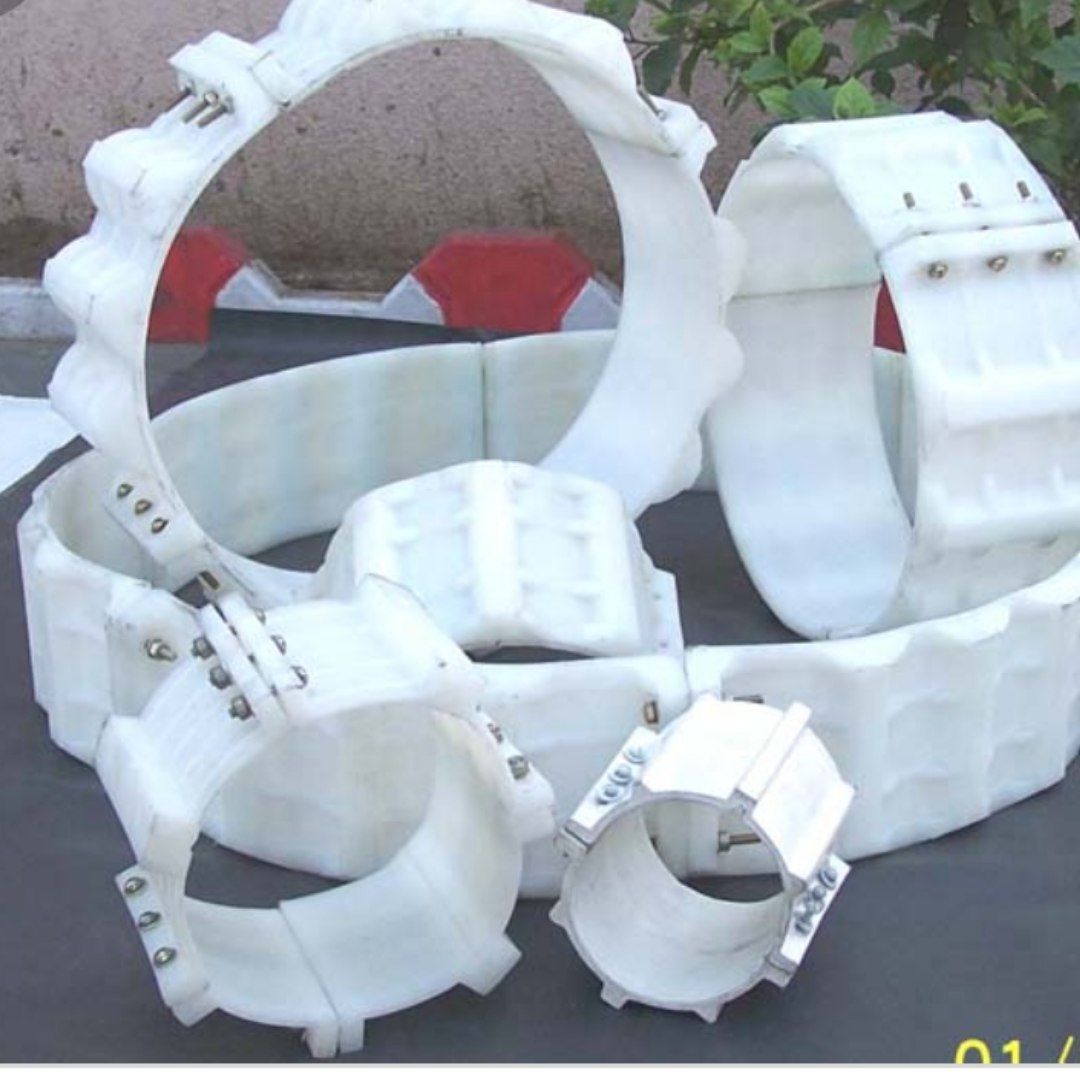
Casing Insulators are used to support and electrically isolate a pipeline from a casing pipe through which it must pass and are used in river crossings, canal crossings and bridge crossings as well as highway and railroad crossings, Petro diamond Casing Pipe Spacer can be made with a wide variety of materials. This can include stainless steel, carbon steel, polyethylene, epoxy-coated steel, and more. The material used is typically polyethylene. Polyethylene casing insulators are manufactured from injection molded high density virgin polyethylene. Benefits of polyethylene include high impact strength as well as abrasion resistance. Once installed, the low friction of polyethylene facilitates easy installation into the casing. Molded into the inner surface are grooves which prevent slippage of any carrier pipe coating. Petro diamond casing insulators have excellent dielectric resistance and low moisture absorption which yields minimal electric current loss and no impairment of cathodic protection. Sizes are available from 1 through 64" with a standard runner. Petro diamond casing insulators are lightweight, economical and easy to install.
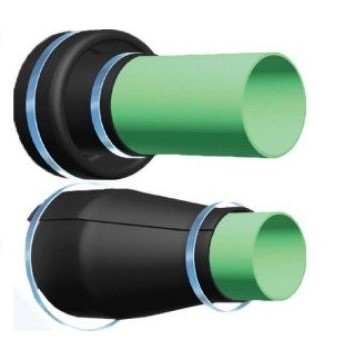
Elastomeric casing-end seals serve as pressure-less sealing of the annular space between casing pipe and carrier pipe. To protect the carrier pipe against corrosion, the inside of the casing pipe has to say dry. End seals are especially suitable for retrofit mounting and also for new constructions because they can be delivered individually (S type and Z type or Wrap around type). End seals pipes are closing the annular space at the end of the casing pipes towards the carrier pipe against dirt and moisture. For pressure tight applications special measurements have to be taken e.g. end seal.
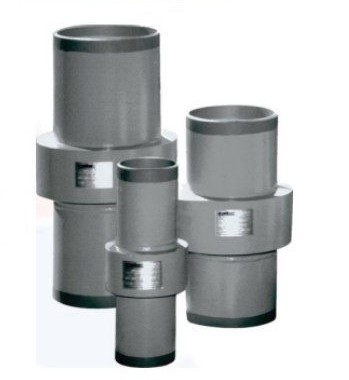
Insulating Joints (IJ) are pipeline components used to provide high electrical resistance without maintenance costs. The combination of these features makes IJ a perfect product for cathodic and safety protection systems for gas, oil and water pipelines. This will grant great savings on long period capital inveestment. IJ are long lasting solutions against stray currents and their major effects such as cathodic corrosion and electric arc generation. Available up to 56", Class 600, other sizes or ratings available on request. Finally each Insulating joint shall be marked by low stress steel stencil on the outside of the yoke with the following: Manufacturer's Name or Trademark, Insulating Joint Serial Number, Pressure Class, Material Heat Number
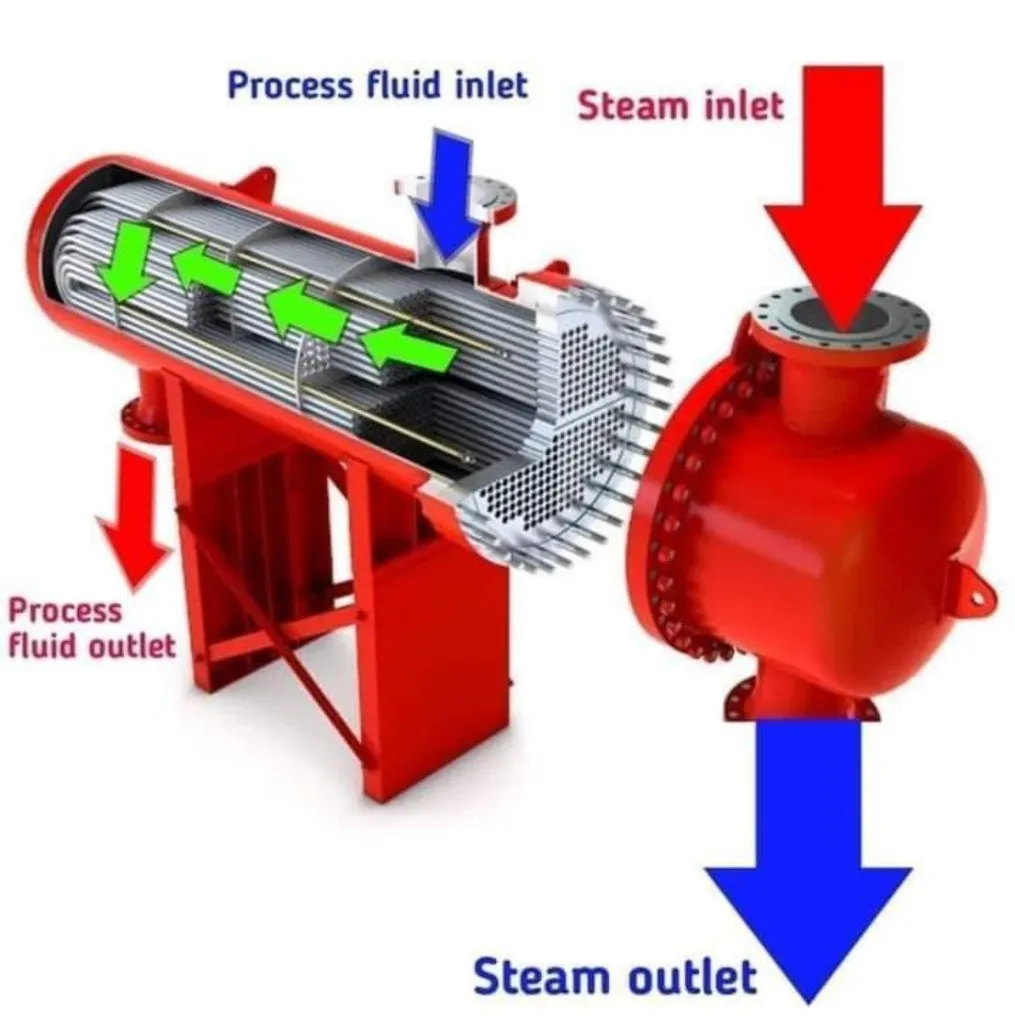
Shell and tube heat exchangers are, simply put, a device that puts two working fluids in thermal contact using tubes housed within an outer cylindrical shell. These two integral pathways are usually built out of thermally conductive metals that allow easy heat transfer (steel, aluminum alloys, etc.). The tubes carry a fluid from their inlet to their outlet (the “tube-side” flow), while the shell passes a separate fluid over these tubes (the “shell-side” flow). The number of tubes, known as the tube bundle will dictate how much surface area is exposed to the shell-side flow, and therefore determines how much heat is transferred. These devices are among the most effective means of exchanging heat, as they are easily built, maintained, are compact, and provide excellent heat transfer. They are widely distributed in industry, being useful for condensers, turbine coolers, evaporators, feed water preheating, and much more.
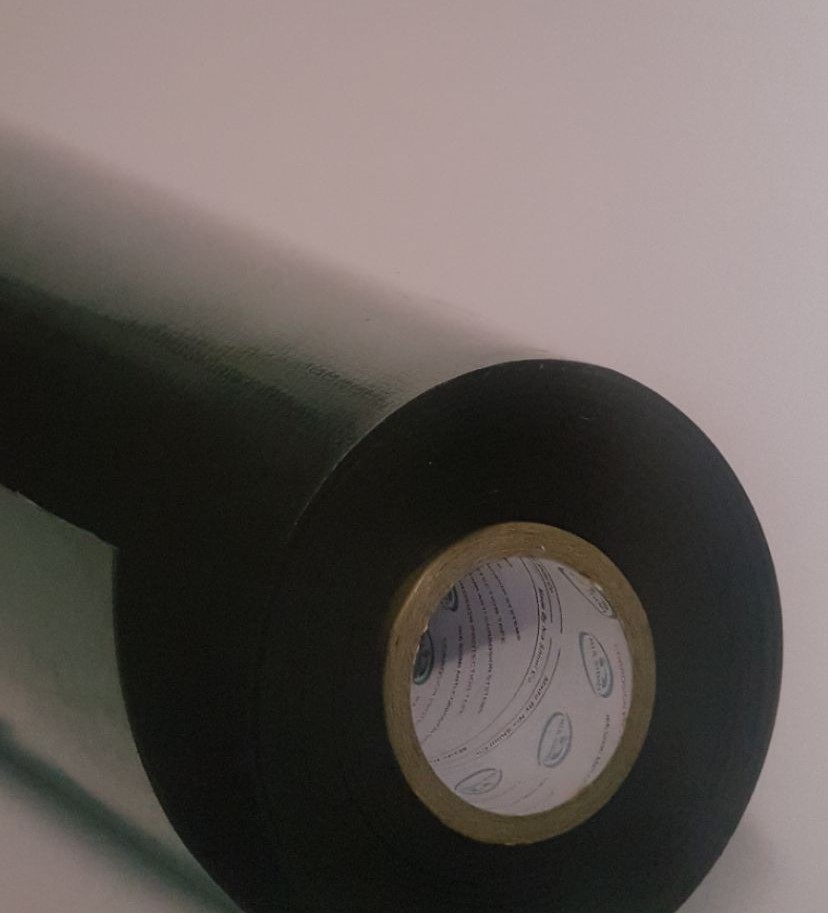
A Repair Patch Melting Stick is a type of adhesive stick that is designed to melt and fill in gaps or cracks in various materials such as plastic, wood, metal, and more. These sticks are typically made of a thermoplastic material that can be melted with heat and then applied to the damaged area using a special applicator. Once cooled, the melted material hardens and provides a strong and durable repair. Repair Patch Melting Sticks are commonly used in DIY projects, crafts, and repairs for household items, automotive components, and more.
Filler mastic is a type of filler material that is used to fill gaps and imperfections in surfaces such as walls, ceilings, and floors. It is made up of a mixture of materials such as resins, polymers, and fillers, which are blended together to form a smooth and easy-to-apply paste. Filler mastic is commonly used in construction and renovation projects to even out surfaces before painting, wallpapering, or tiling. It is available in various types, including water-based and solvent-based, and can be applied using a trowel or putty knife. Once dried, filler mastic can be sanded down to create a smooth and even finish.
filler-mastic.JPG)
.JPG)
The gate valve c.s. (wcb) is a component used in pipelines to control the flow of fluids. It is made of carbon steel (C.S.) and specifically, low-carbon cast steel (WCB). The gate valve features a flat gate that slides up and down to regulate the flow of fluid. When the valve is fully open, the gate is lifted, allowing fluid to flow through unobstructed. Conversely, when the valve is fully closed, the gate is lowered, preventing the flow of fluid. Gate valves are commonly used in industrial settings, such as oil and gas pipelines, as they can withstand high pressures and temperatures.
The non-return valve c.s. (wcb) is a strong and durable valve made of carbon steel and low-carbon cast steel. It allows fluid to flow in one direction only, preventing backflow. Its flap or disk opens to allow fluid flow and closes to block any flow in the opposite direction, protecting equipment from damage. It is commonly used in pipelines, pumps, and compressors for water, gas, and oil.
.JPG)
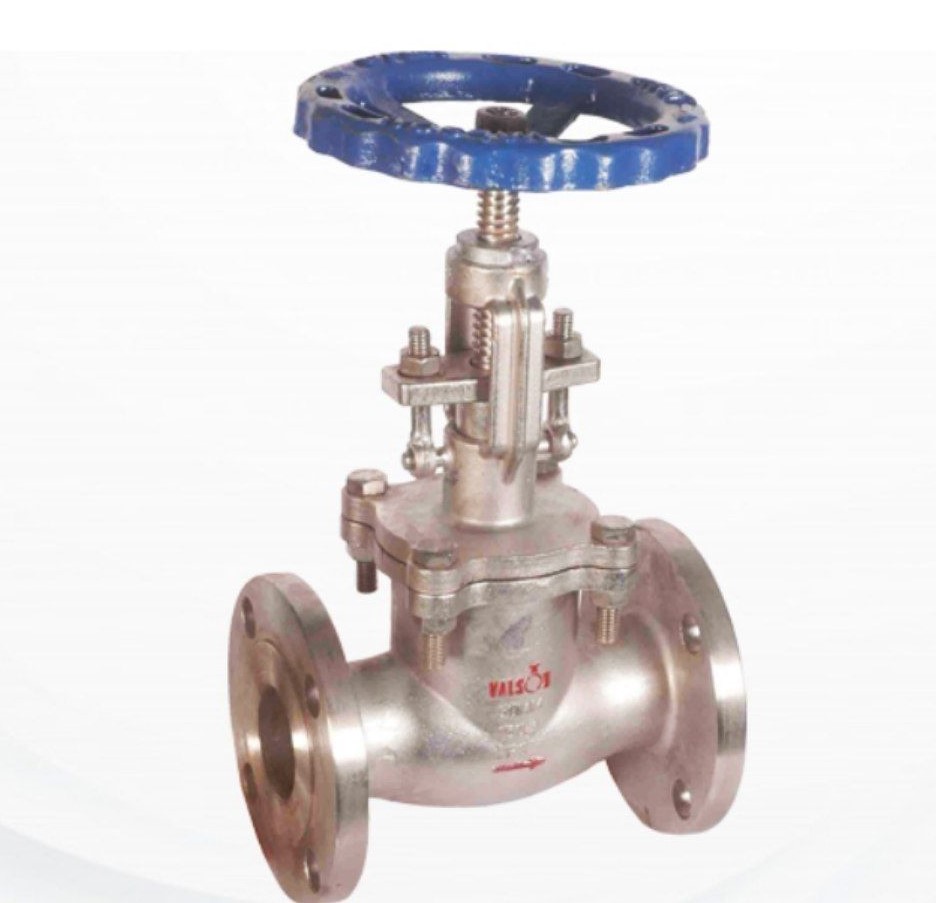
A ball valve is a valve that regulates the flow of fluid through a pipeline. It uses a ball-shaped closure with a hole in the middle that can be turned by a lever or handle. When the ball's hole is in line with the pipeline, fluid can flow through. Conversely, when the ball is turned perpendicular to the pipeline, the flow of fluid is blocked. Ball valves are frequently used in industrial applications such as oil and gas, due to their ability to handle high pressures and temperatures. They are known for their durability and reliability.
A DCV (I.C.) is a valve used in hydraulic systems to control fluid flow and direction. It works by using internal mechanisms to change the direction of the fluid flow, allowing for precise control over the system's movements. DCV (I.C.) valves are commonly used in industrial settings for construction and manufacturing machinery. They provide accurate control over fluid flow in hydraulic systems.
.JPG)
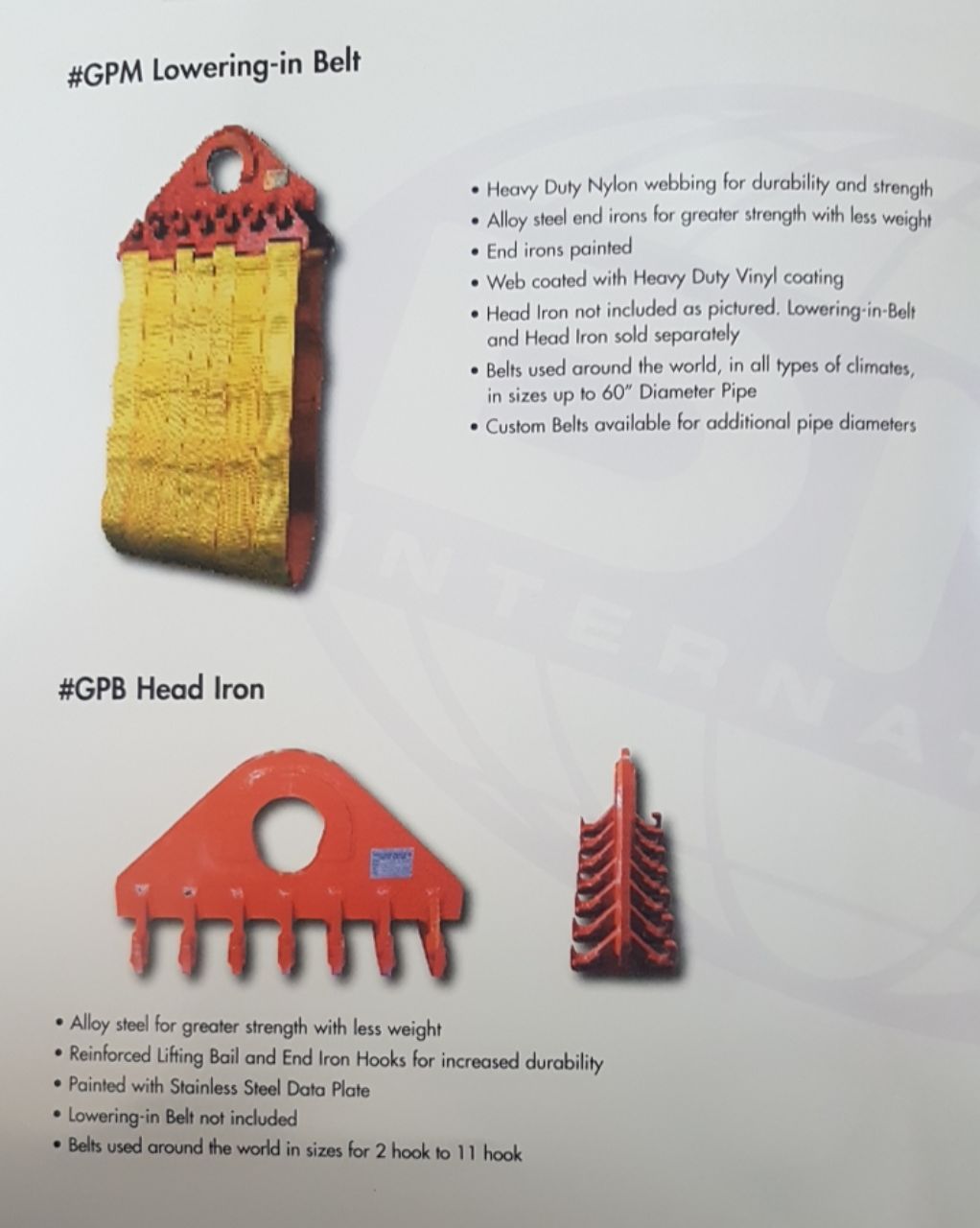
A GMP lowering-in belt is a conveyor system used in pharmaceutical and food manufacturing to move products between processes. It is designed to meet strict hygiene and safety standards, with features such as easy-to-clean surfaces and dust containment. GMP lowering-in belts are durable, reliable, and commonly used in the manufacturing of tablets, capsules, and food products.
The GPC BLP Lined Steel Choker Belt is an industrial conveyor belt used in heavy-duty applications such as mining and construction. It features a steel core with a high-quality lining made from materials like rubber or PVC. The choker design provides a tighter grip on materials, reducing spillage and increasing efficiency. These belts are durable and widely used in harsh environments.
Copper-slag.JPG)
Copper slag is a black glassy by-product of copper processing, composed of iron, silica, and copper with trace elements. It has abrasive properties and is used as an alternative to sandblasting. Copper slag is also used in construction as an aggregate and filler material. It is a cost-effective and eco-friendly option.
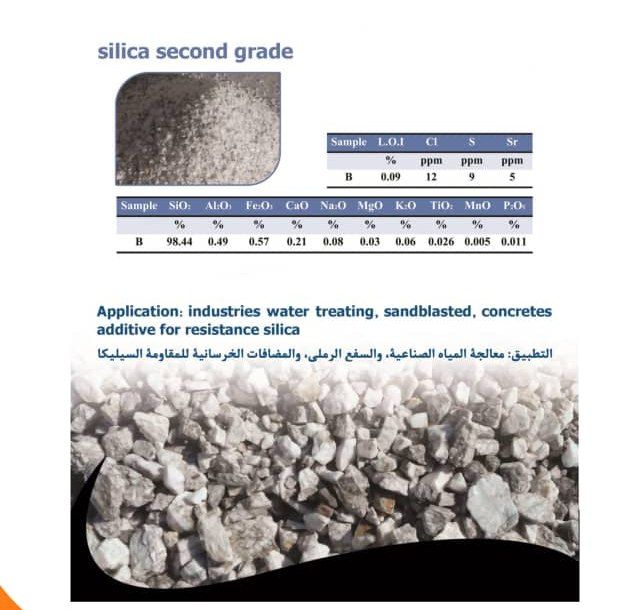
Silica Second Grade is a granular material derived from natural sources like quartz or sandstone, with a high silica content above 90%. It's used in industrial applications like foundry casting, sandblasting, and as a raw material in glass and ceramic production. Silica Second Grade is hard, abrasive, and resistant to high temperatures.
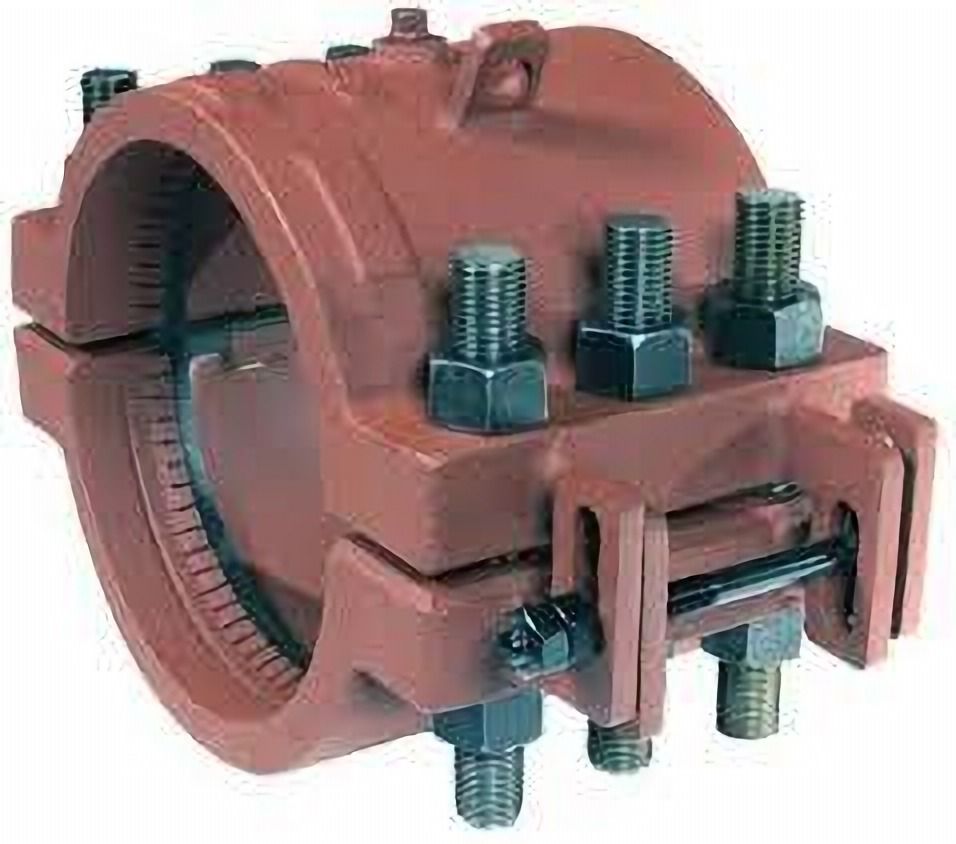
Style 97 Split Repair Sleeves are used to repair damaged or leaking pipelines. They're made from high-strength materials like carbon or stainless steel and are wrapped around the pipe and bolted together to create a secure repair. They're commonly used in industrial settings like oil and gas pipelines, water and wastewater treatment plants, and chemical processing facilities.